Lessons from Summer and Resources for Difficult Moments
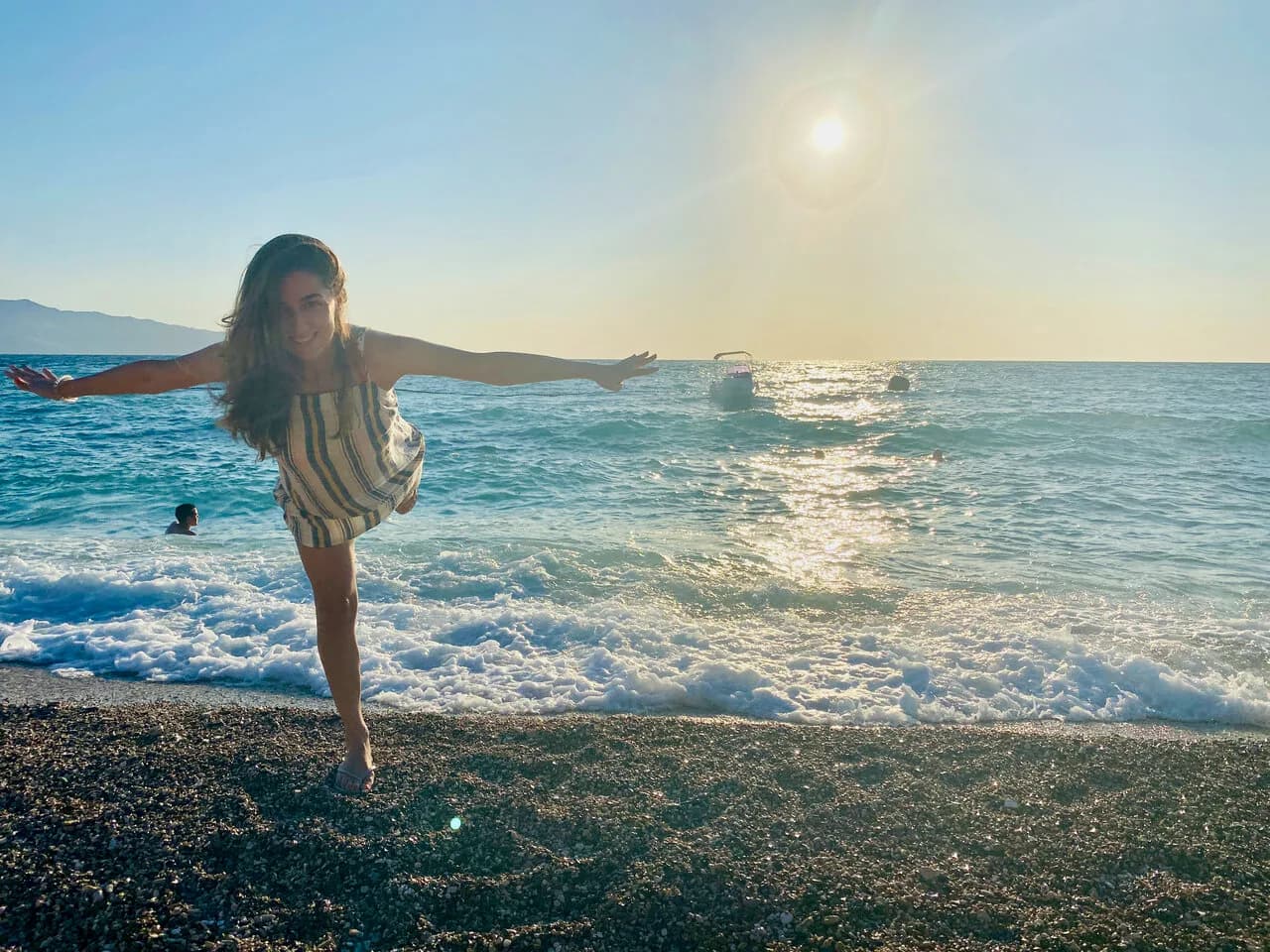
How was your summer? What valuable lessons did you learn?
For me it was a season full of sunshine and vivid inspiration. I love wandering through nature with other passionate people and watching it transform — blooming, its strength, its flexibility. Whenever I feel stuck or am searching for an answer to a question, I always find myself either in the wordless world of nature or in deep coaching conversations. Until recently I didn't know exactly what happens in my body and mind when I experience the things I just described. But now I do 🙂 and it turns out there's a scientific explanation for it.
Micro-Moments of Connection
Barbara Fredrickson, a professor of psychology at the University of North Carolina, found in her research that in-person human interactions are far better at activating the vagus nerve, which connects mind and body and links to the heart, lungs, and digestive tract. For example, talking to your mother on the phone is great, and even though you're emotionally close to her, she'll actually get a bigger health boost from chatting with the mail carrier or having coffee with a neighbor.
When someone feels lonely or lacks social connection most of the time, the vagus nerve starts to dim, inflammation appears in the body, the immune system is suppressed, and the pathways toward illness begin to open up.
Social connections are among the most important nutrients for the vagus nerve. In fact, those small moments of positivity spent with family, friends, or the people around us should be prescribed the way medication is.
In fact, our capacity for compassion is what helped us evolve as a species, and it may be the very "medicine" we need today to make progress in health and healing. Acts of kindness improve our physical health and lengthen our lives. We were born to be good to one another.
This brings to mind two recent experiences of micro-connection and kindness that came my way by chance. A few days ago, in a supermarket, while I was standing in line waiting to grab a basket, someone simply handed me one, just like that. I was completely taken aback, because usually everyone is caught up in their own business and doesn't look around at other people. Five minutes later, while trying to make my way between the shelves, my basket got stuck on something. Again, within seconds, someone else rushed over to help, without my even asking. Honestly, my heart swelled with joy and hope, so much that I forgot what I'd even come to buy 🙂
I truly believe in the power of random acts of kindness, which benefit both us and others. And that can be one of the resources always within reach during difficult moments.
The Resource Map
Since we've reached this point, I invite you to think about — and even sketch — a map of the inner and outer resources available to you, and to look at it whenever you don't know which way to turn. I drew mine 🙂
For me, one of the inner resources I turn to without even thinking is appreciating the beauty around me. Whether it's a heart-shaped cloud, a sunset, or the color of some leaves, I love savoring these small moments of joy and delight. I remember that about 7 years ago, running on autopilot day after day, I didn't even notice when the trees blossomed or when autumn arrived. That's what happens when you're focused only on work: you stop noticing the world you live in.
The second resource that helps me is excellence. Until a while ago, I lived under the pressure of perfectionism: stress, deadlines, plenty of unmet expectations, and constant self-criticism. But then I discovered a new word: excellence. A word many people confuse with something else. In fact, excellence means doing today everything you can with everything you know, which leaves room for improvement. Whereas when you say something or someone is perfect, you leave no room for improvement.
One of the mantras I live by is that I'm a person in constant growth and development on every level. I strive to be the best version of myself, day by day! I feel a whooole lot better since I replaced the word "perfect" with "excellent" 🙂
That's roughly how this summer went for me — full of new awareness, introspection, joy, taking stock, and plans for the future. I allowed myself a break after this year's many exams. I also finished my psychology degree with flying colors 🙂, started my master's in clinical psychology, all while continuing to grow, work, and study in professional coaching.
Stay close, I'm preparing something exciting for this fall 😉
Until then, here's a great tool to help you discover your character strengths:
https://www.viacharacter.org/survey/account/register
A study conducted in New Zealand (Niemiec, 2017) found that when people are aware of their strengths, they are 9 times more likely to flourish, while another study showed that people who actively use their strengths are 18 times more likely to flourish than those who don't.
With a hug,
Raluca
Clinical psychologist, psychotherapist and ICF-accredited coach at PCC level. I work online with people who want clarity in their career and balance in their life.
Keep reading
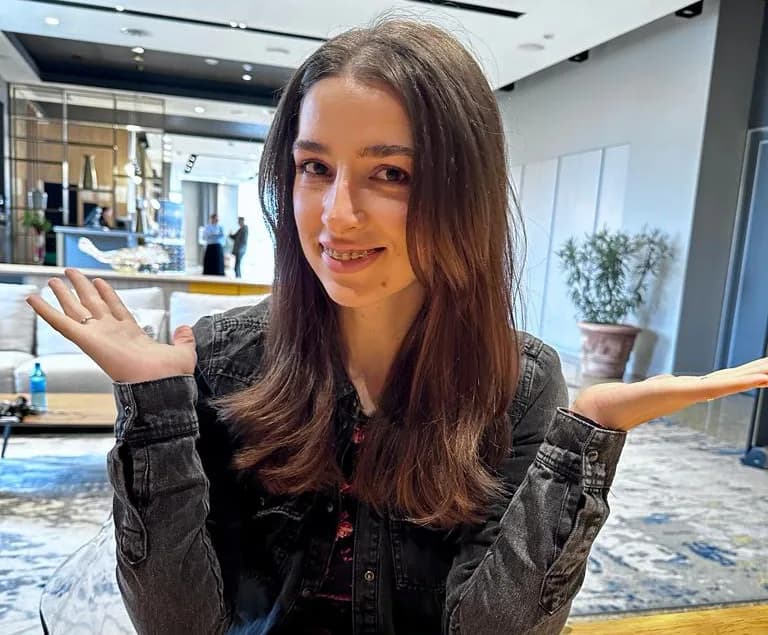
Generation Z, often called the "generation of the sensitive ones" and fragile, has enormous potential. I've discovered they are courageous, ambitious, empathetic, kind, and flexible — potential well worth polishing and supporting to build tomorrow's world.
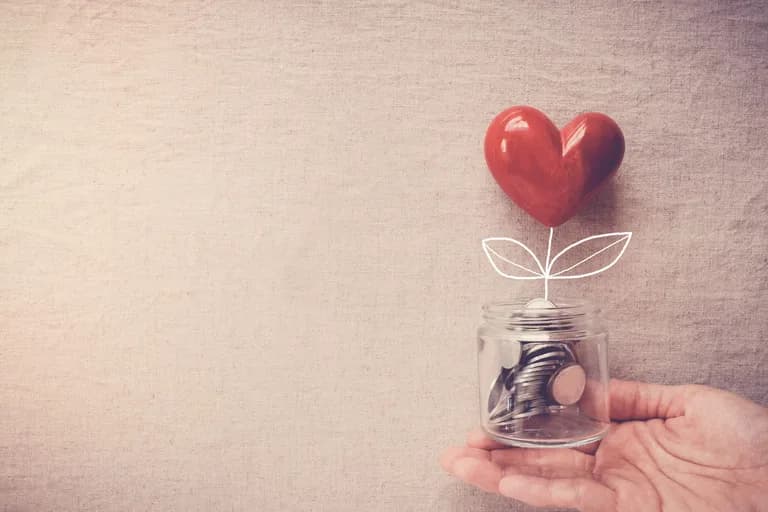
Those who "make money" for non-integrated reasons are less self-determined — they feel less autonomous, less competent, and have fewer fulfilling relationships. One explanation may be that Romanians place great weight on relative income, asking "how much do I have compared to others?" — a comparison that fuels dissatisfaction.
It's the reasons why you make money — not the money itself — that are linked to well-being and fulfillment in life.